Bogdan Nania, Managing Partner, Various Brands
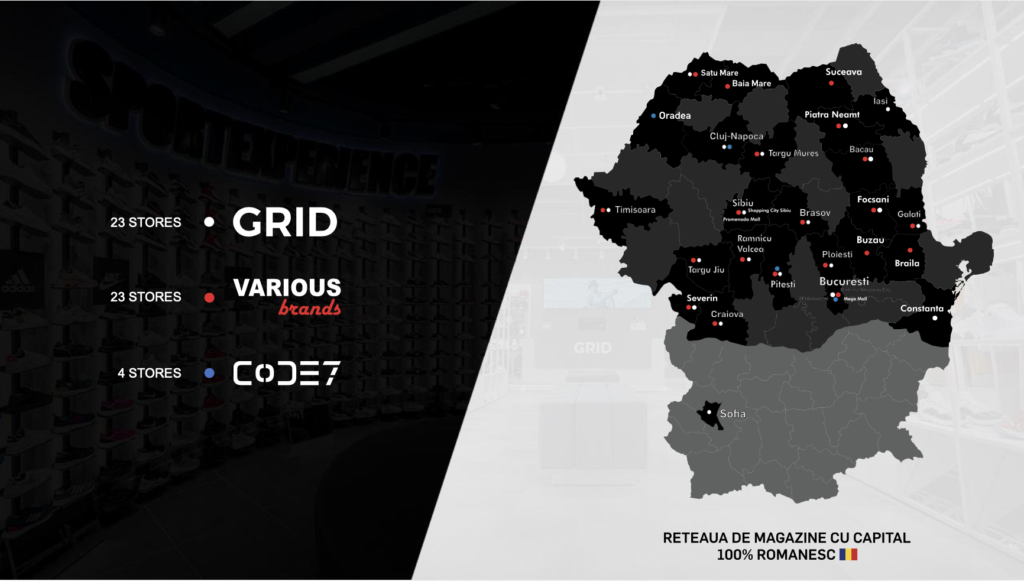
Various Brands, a multi-brand retailer, is one of the best-known players in Romania’s sportswear market, with more than 29 stores across the country. A 100% Romanian-owned company, founded almost two decades ago, it offers products from internationally established brands such as Adidas, Puma, Nike, Converse, and many others. Various Brands is structured around three concepts. The one that gives the retailer its name focuses on sport-inspired clothing, streetwear, and affordably priced fashion. The second, GRID, is the multi-brand concept built around sneaker culture, street style, and urban lifestyle, while CODE7, developed in partnership with Emporio Armani, is the premium concept offering exclusive brand experiences, also centered on sporty and contemporary clothing.
Mr. Bogdan Nania, Managing Partner of Various Brands, kindly agreed to answer a few questions about how the company uses the SAP Business One ERP system, implemented by Serra Software, an SAP Business One Partner in Romania, to streamline its operations.
What is your role within Various Brands, and how does SAP Business One intersect with your day-to-day activity?
As the company’s administrator, I rely on SAP Business One software to monitor performance indicators, manage stock and sales flows, and handle financial reporting. This system is the core of our daily activity — it’s the tool through which we correlate operational data and ensure processes run without bottlenecks.
Various Brands operates in a field with many products, brands, stock items, and sales channels. From your perspective, what has concretely changed in how you manage the business since using SAP Business One?
The biggest change is traceability and centralized control. In a multi-brand retail business with multiple sales channels, stock synchronization used to be a challenge. SAP Business One gave us a clear structure: we reduced human error, we now have a real picture of stock in stores and online, and we can manage large product volumes without losing control over margins or logistics.
How important is access to integrated information and up-to-date data for decision-making, especially in a business with a large volume of products and operations?
It’s vital. In modern retail, decisions made based on outdated or fragmented data cost money (through blocked stock or stockouts of in-demand products). Access to real-time data lets us react instantly: we know which brands are performing well, where we need to replenish stock, and how to optimize cash flow. Integrated information means commercial agility.
In your experience, what makes the difference between implementing an ERP system and its actual adoption by the people in the company?
The difference is made by people and change management. No matter how good the software is, if the team doesn’t understand why it’s necessary and how it makes their work easier, resistance to change will appear. The key to success at Various Brands was constant training, clearly defined procedures, and involving end users from the earliest stages. Real adoption happens when the team sees the ERP as a help, not as an extra burden.
If you could give one piece of advice to a company preparing to take the step toward an ERP system, what would it be?
My advice is this: clean up and define your internal processes before a single line of code is written. An ERP won’t fix a chaotic internal process — it will only digitize it. The cleaner and clearer your workflows and historical data are before implementation, the faster, cheaper, and less painful the adoption of the new system will be.